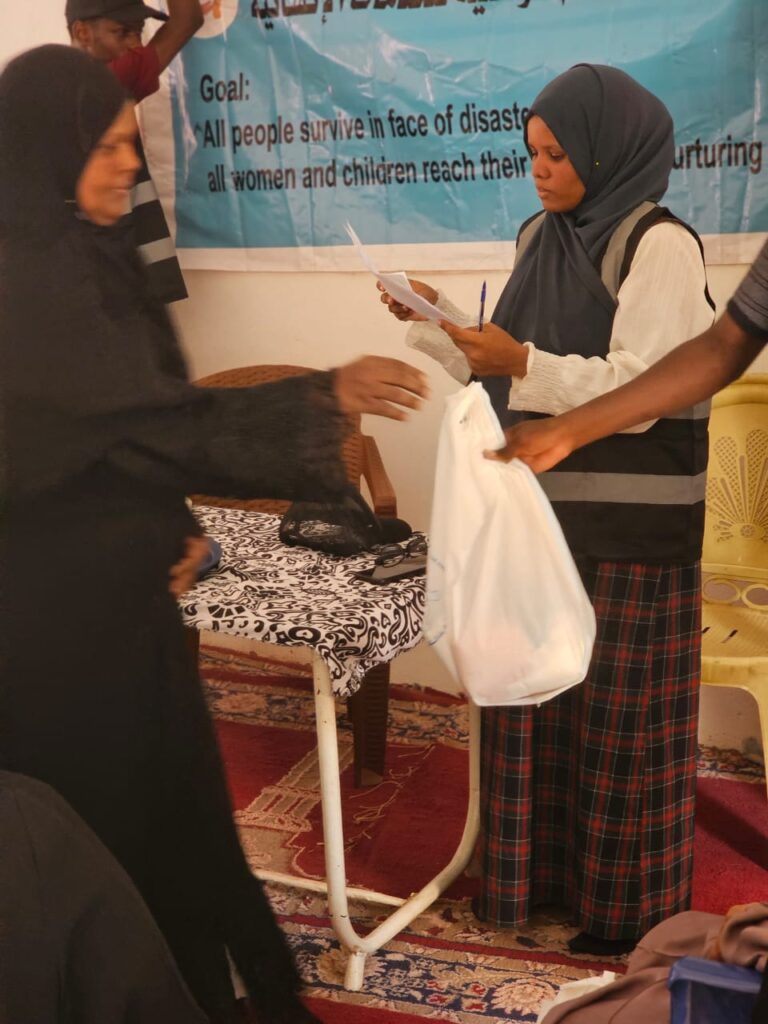
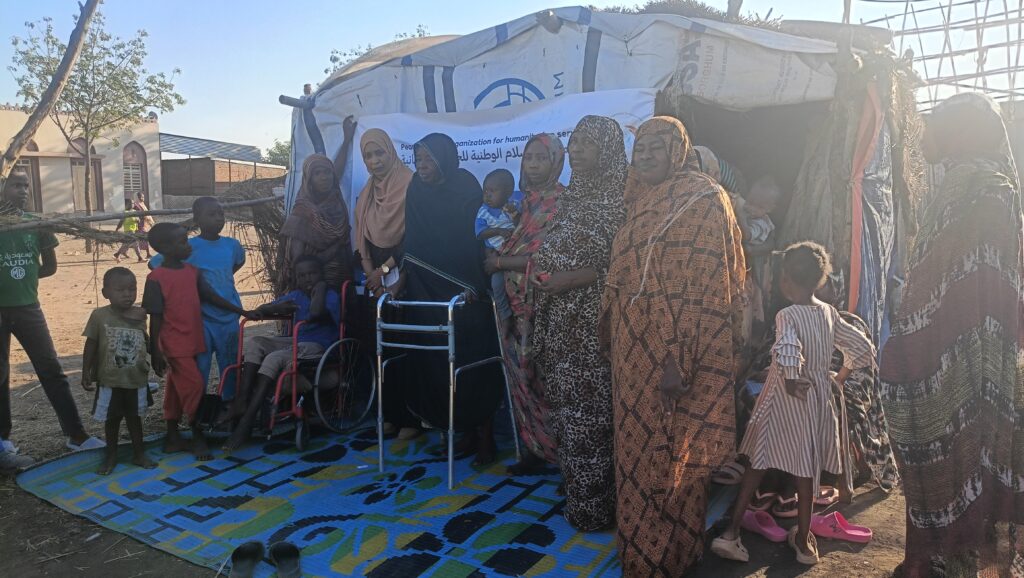
Sustainable development cannot happen through guesswork. To build programs that truly transform lives, interventions must be rooted in community realities. Before launching any humanitarian or development initiative, POH conducts comprehensive Needs Assessment processes to uncover key gaps, map structural vulnerabilities, and pinpoint priority areas across target communities.
When applied to food systems and women’s empowerment, a thorough needs assessment does far more than count households in need—it exposes the invisible barriers that hold women back and informs targeted, high-impact action.
Why Needs Assessments Matter in Food Systems
Women drive local food systems from seed to table, yet their contributions are frequently overlooked, and their challenges remain underreported. A generic distribution or training model often fails because it misses local dynamics. Through field-driven assessments, POH gathers critical data to answer essential questions:
- Resource Access: Do women have legal or physical access to land, quality seeds, credit, and farming tools?
- Decision-Making Power: Are women included in household financial choices and local agricultural committees, or are their voices excluded?
- Livelihood Constraints: What specific obstacles—such as unpaid care burdens, lack of transportation, or market restrictions—limit women’s income potential?
By analyzing these variables, POH shifts from reactive aid to proactive, context-specific solutions.
Turning Insights Into Impact
Conducting a needs assessment ensures that intervention strategies are driven by community evidence rather than assumptions. This rigorous approach delivers three core advantages:
- Precision Targeting: Resources reach the most vulnerable, including female heads of household, widows, and marginalized community members.
- Tailored Program Design: Rather than offering one-size-fits-all aid, POH designs targeted activities—such as financial literacy workshops, community savings groups, or direct resource distribution—that directly solve identified constraints.
- Community Ownership: By directly consulting women and local leaders during the assessment phase, communities become active partners in designing their own path toward food security and economic independence.
Empowerment Begins with Listening
Real progress starts by listening to the people closest to the challenge. By embedding structured needs assessments at the core of our food-system and women-empowerment programs, POH ensures that every intervention removes real barriers, strengthens women’s autonomy, and fosters lasting resilience from the ground up.