whatsapp image 2026 08 31 at 19.26.47 (1)
News, Reports

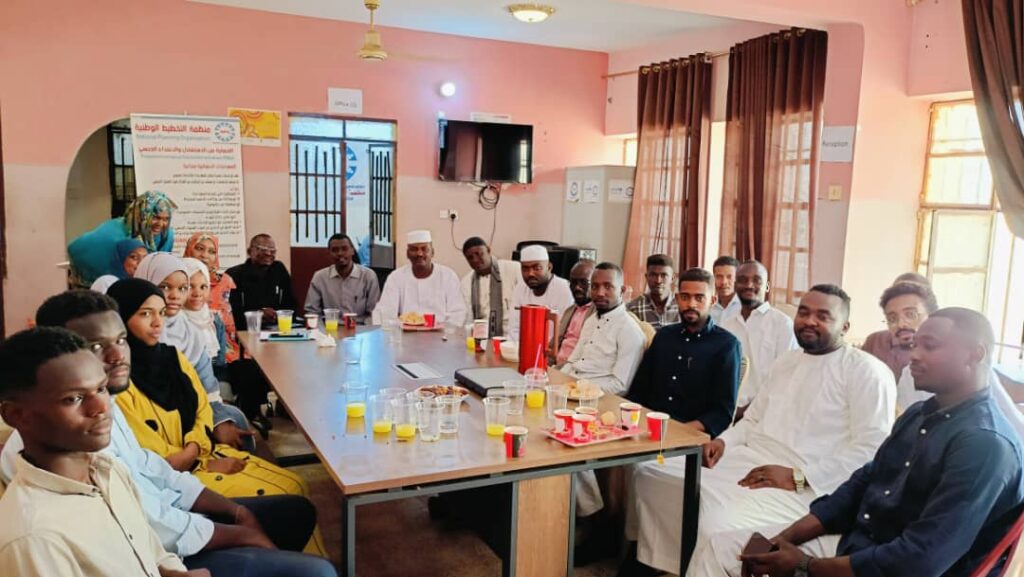
Strengthening Local Partnerships: POH Engages Humanitarian Aid Commission (HAC) and Khartoum/Bahri Authorities

Sustainable humanitarian response and community development rely heavily on strong local governance, coordination, and mutual trust. To ensure that relief efforts and empowerment programs reach those most in need swiftly and effectively, POH actively collaborates with key regulatory and municipal bodies, including meetings with the Humanitarian Aid Commission (HAC) and local authorities across Khartoum and Bahri. Establishing clear channels of communication with local officials forms the cornerstone of transparent, accountable, and impactful community interventions. Aligning Priorities for Maximum Community Impact Direct engagement with administrative authorities like HAC and city officials ensures that development and humanitarian initiatives align directly with regional priorities and urgent field realties: Key Pillars of Sustainable Collaboration Working hand-in-hand with municipal and regulatory stakeholders creates a foundation for long-term project stability and community trust: Moving Forward Together Navigating complex field environments requires strong, proactive partnerships. By maintaining ongoing dialogue with HAC and administrative officials in Khartoum and Bahri, POH reaffirms its commitment to principled humanitarian action, institutional collaboration, and the effective delivery of life-saving support to vulnerable communities.
1
News, Projects, Reports

From Challenges Toward an Empowered Future: Driving Innovation for Women in the Agro-Food Sector

Empowering women is not just a social imperative—it is a powerful driver of economic transformation. Around the world, women form the backbone of agricultural labor and food production, yet systemic barriers often restrict them to informal, lower-value roles. To bridge this gap, POH designs targeted capacity-building programs and regional dialogues, including specialized workshops like “From Challenges Toward an Empowered Future.” By bringing women together to build skills, share experiences, and adopt modern tools, these workshops turn historical constraints into launchpads for economic leadership. Core Pillars of Empowerment To thrive in today’s evolving economy, female entrepreneurs and agricultural workers need more than basic training—they require holistic capacity building tailored to the agro-food ecosystem: The Impact of Social and Technological Innovation Regional dialogues and field implementations demonstrate that introducing social and technological innovation creates rapid, compound growth for women in food systems: Building a Resilient, Inclusive Future When a woman gains access to digital tools, business acumen, and leadership opportunities, the ripple effect extends across her entire household and community. By continuing to invest in transformative workshops like “From Challenges Toward an Empowered Future,” POH is fostering a resilient, innovative, and inclusive agro-food sector where women are recognized not just as participants, but as key decision-makers driving global food security.

whatsapp image 2026 08 26 at 13.47.21
News, Projects, Reports

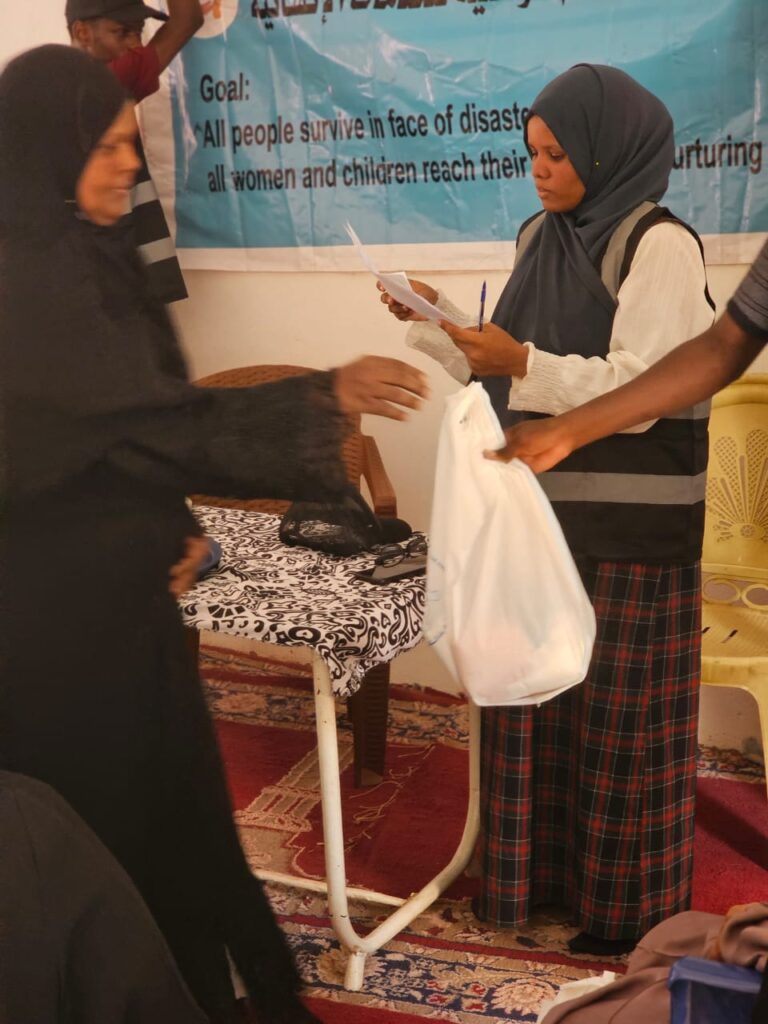
Sustaining Hope: How Food Basket Distributions Empower Women-Led Families

Food insecurity is rarely just about a lack of food—it is about access, equity, and resilience. For millions of vulnerable families around the world, securing a daily meal is an ongoing struggle shaped by systemic economic and social barriers. At POH, we believe that addressing hunger requires targeted interventions that recognize who is most affected. Through our Food Basket Distribution activity, we ensure that critical food supplies reach the households that need them most, with a deliberate focus on women-led families. The Silent Pillar of Food Systems Women are the primary caretakers, food producers, and meal preparers in communities worldwide. They hold deep knowledge of local food systems and consistently prioritize their families’ nutritional needs. Yet, despite their central role, women face deep-rooted structural barriers: When food shortages hit, women-led households are often the first to feel the impact, frequently sacrificing their own meals to ensure their children are fed. Direct Support Where It Matters Most Our Food Basket Distribution initiative addresses immediate hunger while building community stability. Each food basket is curated to provide nutritious, culturally appropriate essential staples that sustain a family through periods of hardship. By explicitly prioritizing women-led households, POH ensures that relief reaches those navigating single parenthood, displacement, or severe economic vulnerability without a safety net. Beyond Relief: Building Long-Term Equity Providing a food basket does more than relieve immediate hunger—it creates breathing room. When a mother does not have to worry about where the next meal is coming from: Ending hunger requires recognizing the strength and agency of women. By centering women-led families in our distribution activities, POH isn’t just providing aid—we are supporting the bedrock of healthy, resilient communities.

3
News, Reports

Bridging Gaps, Unlocking Potential: How POH Uses Needs Assessments to Empower Women in Food Systems

Sustainable development cannot happen through guesswork. To build programs that truly transform lives, interventions must be rooted in community realities. Before launching any humanitarian or development initiative, POH conducts comprehensive Needs Assessment processes to uncover key gaps, map structural vulnerabilities, and pinpoint priority areas across target communities. When applied to food systems and women’s empowerment, a thorough needs assessment does far more than count households in need—it exposes the invisible barriers that hold women back and informs targeted, high-impact action. Why Needs Assessments Matter in Food Systems Women drive local food systems from seed to table, yet their contributions are frequently overlooked, and their challenges remain underreported. A generic distribution or training model often fails because it misses local dynamics. Through field-driven assessments, POH gathers critical data to answer essential questions: By analyzing these variables, POH shifts from reactive aid to proactive, context-specific solutions. Turning Insights Into Impact Conducting a needs assessment ensures that intervention strategies are driven by community evidence rather than assumptions. This rigorous approach delivers three core advantages: Empowerment Begins with Listening Real progress starts by listening to the people closest to the challenge. By embedding structured needs assessments at the core of our food-system and women-empowerment programs, POH ensures that every intervention removes real barriers, strengthens women’s autonomy, and fosters lasting resilience from the ground up.

Scroll to Top